
Even with weekly Maintenance, there may be times where your furry companion may need a little extra TLC – he may develop PROBLEMS with his ears. It is my hope to help you prevent problems and care for your dog at home as much as possible. Dogs with ears that stand up have more air flow which keeps them drier, but floppy, fuller ears require more care and attention from you.
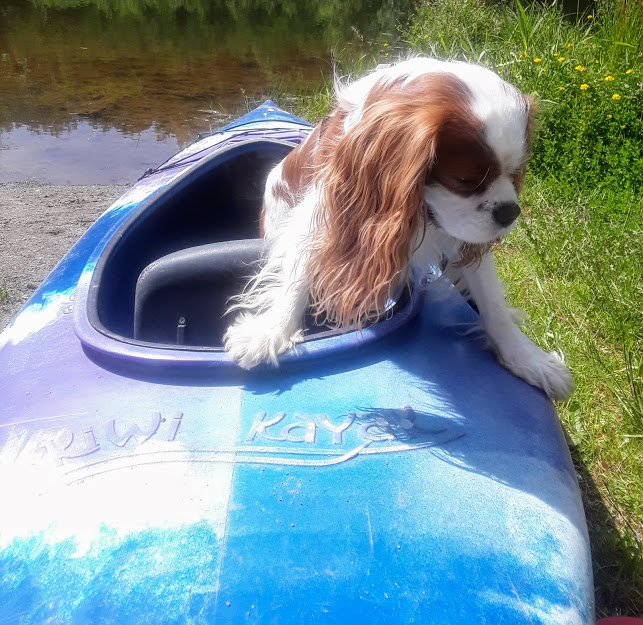
Particularly taking heed of ears after a time of swimming, snow play or even bathing will allow you to keep your dogs ears clean and dry. Only clean the outer ear canal. If the ear canal looks abnormal, clean and be sure to consult a vet.
How to Prevent Dog Ear Infections
Every dog has a bit of yeast growing on their skin and in their ears. Most of the time, the body is in balance and the yeast will cause no great problems. But if this balance gets upset, your dog may get a yeast infection throughout his body and it would be easy to detect in his ears.
🐾 A healthy dog is better able to fight off and recover from ear infections. Keeping his immune system in good shape by feeding your dog a healthy diet that has good vitamin and minerals will make sure he gets all the nutrients he needs. Give him lots of exercise with daily walks, playing catch, or organized day care. Every part of the dog’s body, including his ears, will benefit and he will sleep better and be more obedient when he is tired. You probably know that for a kibble, I recommend the Life’s Abundance for All Life’s Stages; all my recommendations are found on the Recommended Products Tab here in my blog: https://lifewithcavalierkingcharlesspaniels.com/recommended-items/
🐾 What your dog puts into his mouth affects his ears. Allergies in dogs often show up as itchy ears (and skin) or an ear infection. A dog eating a poor quality food is much more susceptible to ear infections, fleas, and all kinds of parasitic infections. Allergies tend to cause inflammation and infection in and around the ears. These changes in the ear canal can cause an imbalance of bacteria or yeast and cause an ear infection. Especially if your dog eats an inferior quality food or has ingredients he is allergic to. Getting the gut in proper ph balance will help every area of his body. If you need to help your pooch fairly quickly, I always recommend apple cider vinegar in the water bowl (1 tsp/quart) and feeding tripe. Particularly surrounding vaccines, deworming or antibiotics, using this regime in addition to a high quality probiotic will help the microbiome of your dogs gut.
Ear Infection Symptoms
If your dog has any of the following signs, he may have an ear infection:
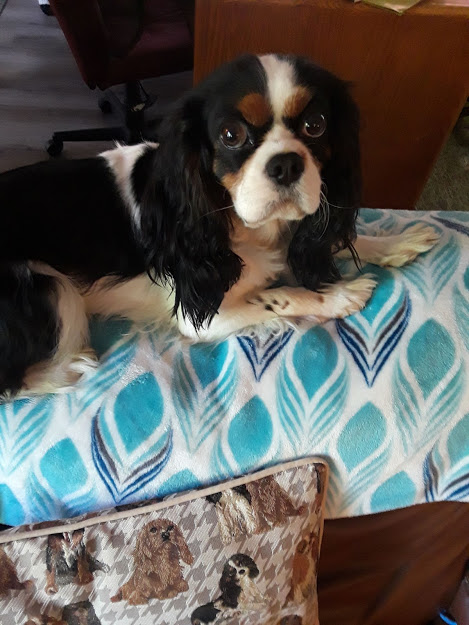
🐾 Ear discharge, may be yellowish or black (different than waxy)
🐾 Smelly ears, different than your dog’s normal smell
🐾 Frequent head shaking, pawing at ears
🐾 Rubbing head on the ground, furniture and other objects
🐾 Red ears, tender ears, irritability
🐾 He may seem dizzy or uncoordinated.
There are natural balances of both yeast and bacteria inside your dog’s ears. Sometimes these balances are offset and an ear infection, unfortunately may occur:
Bacterial Infection
Bacterial infections in dogs are more common than yeast infections. They are usually recognized by an strong odor coming from the ear, usually accompanied by a strong smelling discharge.
The ear may be red and swollen, and your dog may indicate he is in pain. He may shake his head as another indication. Moist, warm conditions, with little air movement are the ideal environment, so dogs with floppy ears can be especially prone to them.
Yeast Infection
Yeast infections are recognized by redness, scaly or dry patches and extreme itching. There may also be a chalky smell to the ear, as well as some discharge.
A yeast infection can be transferred to other parts of the body. A dog who scratches his ear may then transfer the infection to his feet, or it may spread to his face. The extreme itching may cause the dog to scratch so hard he creates sores in the ears, which may then cause a secondary bacterial infection.
Treatment for Canine Ear Issues:
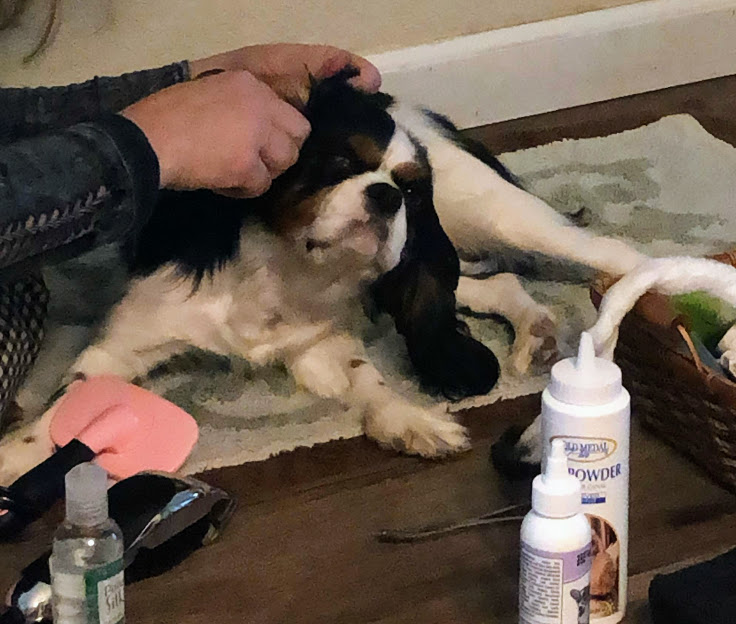
If your dog exhibits these symptoms, take him to the vet for diagnosis and treatment especially if he hasn’t had an ear infection before.If your dog gets chronic infections you may be able to treat him at home, but always follow your veterinarian’s instructions.
If you’re sure he has an ear infection, and not ear mites (small black clumps that resemble coffee grounds or tiny white, moving particles) or some other problem, there are some home remedies to try first.
Chronic ear infections are often associated with allergies, typically resolved by a good diet, enzymes and probiotics.
🐾 Consider using Zymox Otic , a non-prescription treatment containing enzymatic anti-microbials. One daily dose of Zymox cleans, medicates, and may prevent your dog’s yeast overgrowth. It is available as drops, cream, spray and ear cleaner.
🐾 I add a bit of Apple Cider Vinegar (with Mother) into the dog’s drinking water (apx. 1 tsp. per quart of water) just to keep the dogs more alkaline.
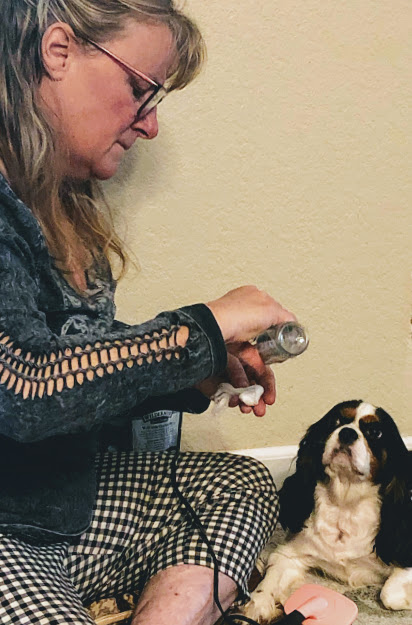
🐾 Continue to keep the dog’s ears clean 1-2 times a week.
Specific Difficulty Related to the Cavalier King Charles Spaniel’s Ears:
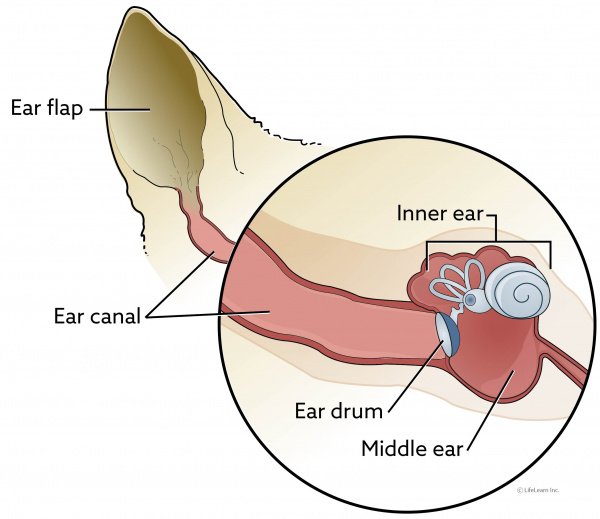
Primary secretory otitis media (PSOM) – This disorder is also known as “glue ear” and could affect up to 30% of Cavaliers. Unseen, therefore, difficult to diagnose, a very thick mucous plug fills the inner ear behind the ear drum, causing it to bulge. The disorder can occur at any age. Symptoms may include excessive yawning, guarding of the head and neck, head tilt, head rubbing, crying out in pain, wobbly gait, drooping ear or lip, inability to blink an eye, rapid eyeball movement, facial paralysis or nerve palsy, drooling, vestibular disease, some loss of hearing, seizures, and fatigue. Affected dogs will scratch at the affected ear(s), which makes diagnosis difficult, as symptoms are similar to SM and CM. Diagnosis is made with MRI or CT scan. Treatment involves surgery to open the ear drum. Tubes may be inserted to allow the mucous to drain. Severely affected dogs may need ear canal ablation (removal). For more information, please read: http://cavalierhealth.org/psom.htm

 Kalama Cavaliers